
| Number | English |
|---|---|
| 0 | Zéro |
| 1 | Un |
| 2 | Deux |
| 3 | Trois |
| 4 | Quatre |
| 5 | Cinq |
| 6 | Six |
| 7 | Sept |
| 8 | Huit |
| 9 | Neuf |
| 10 | Dix |
| 11 | Onze |
| 12 | Douze |
| 13 | Treize |
| 14 | Quatorze |
| 15 | Quinze |
| 16 | Seize |
| 17 | Dix-sept |
| 18 | Dix-huit |
| 19 | Dix-neuf |
| 20 | Vingt |
| 21 | Vingt-et-un |
| 22 | Vingt-deux |
| 23 | Vingt-trois |
| 24 | Vingt-quatre |
| 25 | Vingt-cinq |
| 26 | Vingt-six |
| 27 | Vingt-sept |
| 28 | Vingt-huit |
| 29 | Vingt-neuf |
| 30 | Trente |
| 31 | Trente-et-un |
| 32 | Trente-deux |
| 39 | Trente-neuf |
| 40 | Quarante |
| 41 | Quarante-et-un |
| 42 | Quarante-deux |
| 49 | Quarante-neuf |
| 50 | Cinquante |
| 51 | Cinquante-et-un |
| 52 | Cinquante-deux |
| 59 | Cinquante-neuf |
| 60 | Soixante |
| 61 | Soixante-et-un |
| 62 | Soixante-deux |
| 69 | Soixante-neuf |
| 70 | Soixante-dix |
| 71 | Soixante-et-onze |
| 72 | Soixante-douze |
| 73 | Soixante-treize |
| 74 | Soixante-quatorze |
| 75 | Soixante-quinze |
| 76 | Soixante-seize |
| 77 | Soixante-dix-sept |
| 78 | Soixante-dix-huit |
| 79 | Soixante-dix-neuf |
| 80 | Quatre-vingt |
| 81 | Quatre-vingt-un |
| 82 | Quatre-vingt-deux |
| 83 | Quatre-vingt-trois |
| 84 | Quatre-vingt-quatre |
| 85 | Quatre-vingt-cinq |
| 86 | Quatre-vingt-six |
| 87 | Quatre-vingt-sept |
| 88 | Quatre-vingt-huit |
| 89 | Soixante-neuf |
| 90 | Quatre-vingt-dix |
| 91 | Quatre-vingt-onze |
| 92 | Quatre-vingt-douze |
| 93 | Quatre-vingt-treize |
| 94 | Quatre-vingt-quatorze |
| 95 | Quatre-vingt-quinze |
| 96 | Quatre-vingt-seize |
| 97 | Quatre-vingt-dix-sept |
| 98 | Quatre-vingt-dix-huit |
| 99 | Quatre-vingt-dix-neuf |
| 100 | Cent |
| 101 | Cent un |
| 102 | Cent deux |
| 109 | Cent neuf |
For “vingt,” the “g” and “t” are silent. However, from 22 to 29, we need to sound the “t.” The “g” remains silent.
From 80 to 99, the “g” and “t” in “vingt” are both silent.
From 70, we are using existing numbers and maths to create new numbers. Therefore:
70 → Soixante-dix → 60 + 10.
80 → Quatre-vingt → 4 x 20.
90 → Quatre-vingt-dix → 4 x 20 + 10.
70 and 90 in French end in 10, so 71 and 91 must start at 11 and not at 1:
71 → Soixante-et-onze → 60 + 11.
91 → Quatre-vingt-onze → 4 x 20 + 11.
When followed by another number or a noun, the pronunciation of “six,” “huit” and “dix” changes. The last letter of these numbers becomes silent.
For example:
Dix-sept → “dee-set.”
Huit cents → “wee-sahn.”
Six mille → “see-meal.”
When the noun following these numbers starts with a vowel or an “h”, we use a “z” link for “dix” and “six”, and a “t” link for “huit”.
For example:
Dix oeufs → “dee-zuh.”
Six oncles → “see-zon-cl.”
Huit acteurs → “wee-tac-ter.”
For 5, the “q” is most of the time pronounced. However, it is possible to not pronounce it when it is used to express a quantity.
For example:
Cinq minutes → The “q” can be pronounced or not.
Le cinq avril → The “q” must be pronounced.
For 9, the “f” is pronounced like a “v” with 4 words only: “an,” “autre,” “homme,” and “heure.”
21, 31, 41, 51, 61 and 71, all have “et” included in their numbers. For pronunciation, you need to link the last consonant of the number, usually a “t” and the word “et.” As a result, “et” is pronounced “tey,” and the “t” or “te” at the end of the number is silent.
For example:
Trente-(t)et-un → “tron-tey-un.”
81 and 91 don’t have “et” because we are applying a multiplication rule and not an addition.
For example:
81 → quatre-vingt-un →
4 x 20 + 1 (not quatre-vingt-et-un → 4 x 21).
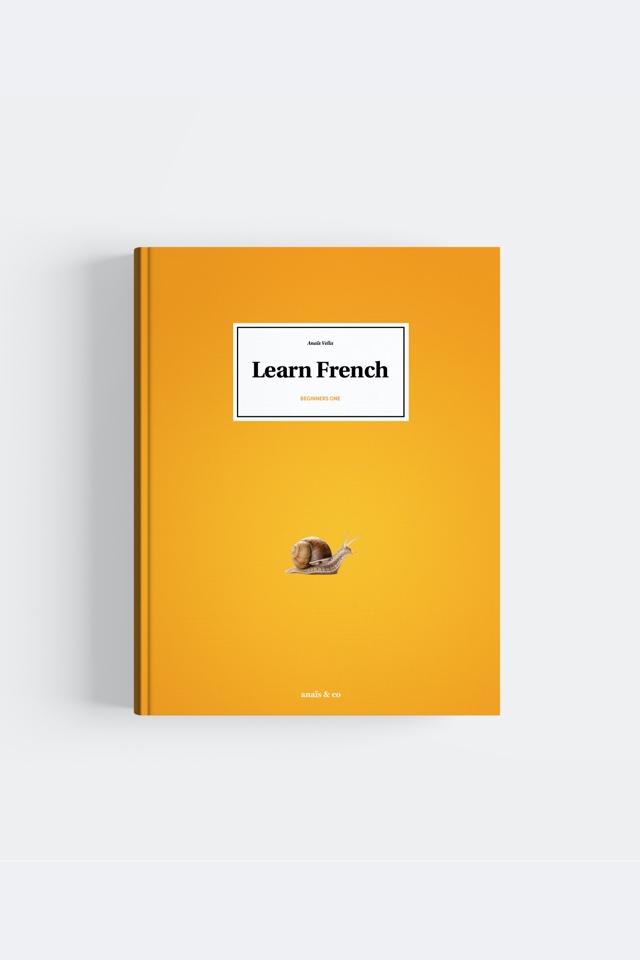
More in the books
Werther you are learning by yourself, with Anais and Co or if you are a FLE teacher find this lesson and many more in a beautiful book.

Be notified when we publish something new.